

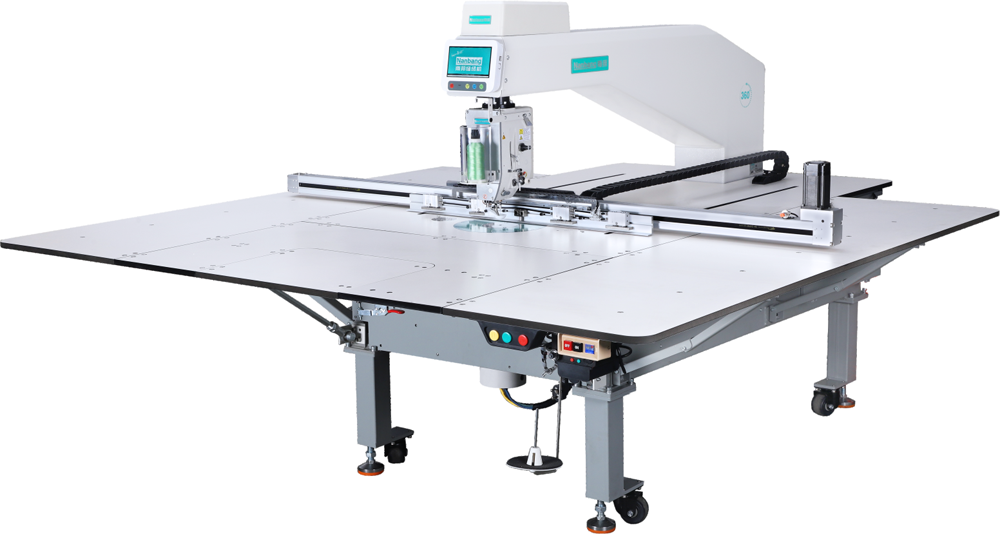
For example, when an urgent order is inserted into the schedule, the IoT platform can automatically identify idle machine clusters and process compatibility, decompose the task, and reroute it to equipment groups with the appropriate capabilities. At the same time, it optimizes the sewing sequence to reduce thread changeover time. This scheduling model increases equipment utilization by 15%–20% and ensures quality stability during dynamic adjustments through real-time feedback on process parameters such as sewing speed and stitch density.
Data shows that enterprises adopting this strategy shorten their average delivery cycle by 30%, while effectively avoiding the cascading delay risks caused by equipment failures in traditional production scheduling.