

Choosing the right industrial sewing equipment is important for improving productivity and maintaining stable product quality. When it comes to button hole machines, button attach machines, and bar tacking machines, the right choice depends on more than price alone. Manufacturers should consider product type, fabric characteristics, output requirements, machine function, and long-term production needs.
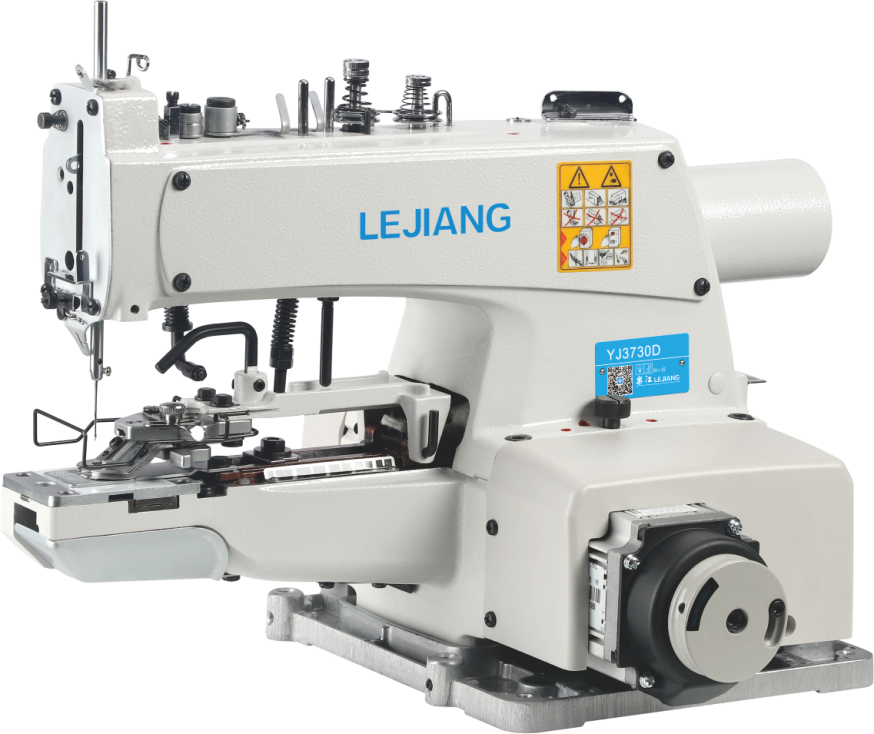
The first factor is product type. Different garments require different sewing operations. Shirts and uniforms often need clean straight buttonholes and accurate button attachment. Jackets, denim, and workwear may require stronger eyelet buttonholes and more durable reinforcement. Bags and utility products may place greater emphasis on bar tacking strength. Understanding the product helps narrow down the most suitable machine type.
Fabric type is another key point. Lightweight fabrics, medium-weight textiles, denim, synthetic blends, and heavy materials all behave differently during sewing. A machine that works well on thin shirt fabric may not be the best choice for thicker products. Manufacturers should check whether the machine can maintain stitch quality and feeding stability across their main material range.
Production volume also matters. Large factories handling high-output orders usually need machines with stable high-speed performance and lower downtime. Smaller workshops may focus more on flexibility and easier adjustment. Choosing a machine that matches actual production scale helps improve investment value.
The level of automation should also be considered. Some manufacturers prefer simpler mechanical models because they are easy to maintain. Others need electronic or computerized machines with programmable settings, digital panels, automatic thread trimming, and better control functions. Advanced features can improve consistency and reduce manual error, especially in factories producing multiple styles.
For button hole machines, important points include buttonhole style, sewing length range, cutting method, stitch density control, and fabric compatibility. For button attach machines, buyers should consider supported button types, stitch pattern options, button size range, and attachment strength. For bar tacking machines, key factors include tack width, tack length, stitch density, and reinforcement flexibility.
Maintenance is also important. A machine with strong performance but poor service support can still create production problems. Reliable spare parts supply, simple maintenance procedures, and easy operation all help reduce downtime and improve long-term efficiency.
Factories should also consider operator usability and workflow compatibility. A machine should fit smoothly into the existing production line. If one process becomes too slow or difficult to adjust, it can affect overall sewing efficiency.
In conclusion, choosing the right button hole, button attach, and bar tacking machine requires a practical review of product needs, fabric range, output targets, machine features, and maintenance support. The right equipment can improve efficiency, reduce defects, and support more reliable garment production.