

There are several types of cloth cutting machines used in textile and garment factories, and each type is designed for different production needs. The right choice depends on fabric type, cutting volume, shape complexity, and required efficiency.
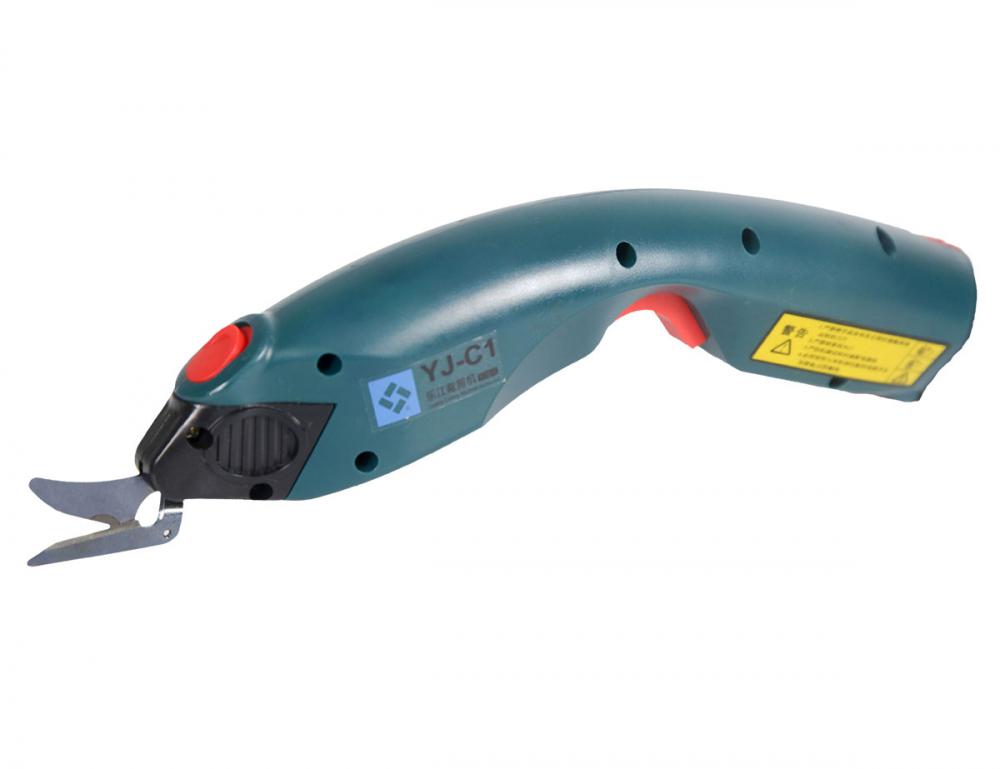
One of the most common options is the straight knife cutting machine. It uses a vertical blade that moves up and down rapidly. This type is widely used because it can cut multiple layers of fabric and handle many common garment materials. It is a practical choice for general factory production.
Another popular option is the round knife cutting machine. It uses a rotating circular blade and is often used for lighter materials or smaller cutting jobs. It is easier to handle in some applications and is commonly seen in smaller workshops or flexible cutting operations.
The band knife cutting machine is suitable for more precise contour cutting. It uses a continuous loop blade mounted on a fixed system, while the material is moved against the blade. This type is useful for curved shapes, detailed cutting, and certain special materials.
For more advanced production, many factories choose automatic cloth cutting machines. These machines are designed for higher efficiency, consistent performance, and lower labor dependence. They are often used in medium- and large-scale production where speed and repeatability are important.
A further step is the CNC cloth cutting machine, which uses computer control for highly accurate and programmable cutting. This type is well suited for factories that produce complex patterns, customized products, or frequent style changes.
Each machine type offers different advantages. Straight knife machines are versatile, round knife machines are flexible, band knife machines are accurate for contour work, and automatic systems improve productivity and consistency.
In conclusion, understanding the main types of cloth cutting machines helps manufacturers choose equipment that fits their production goals. The right machine can improve cutting quality, reduce waste, and support a more efficient factory workflow.