

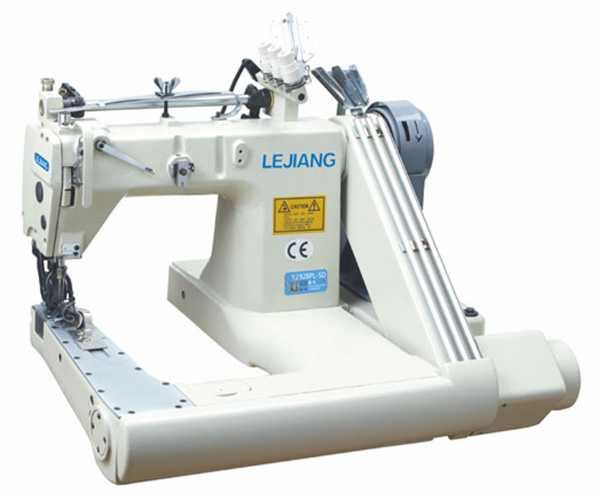
One of the most common machines in jeans manufacturing is the heavy-duty lockstitch sewing machine. This machine is widely used for general sewing operations that require clean and stable stitches. In denim production, it is often used for structural seams and joining operations where fabric control and reliable penetration are important.
Double-needle chain stitch machines are also widely used in jeans production. These machines are ideal for visible topstitching and durable seam construction. Many jeans feature double rows of stitching on side seams, yokes, seat seams, and decorative areas. Chain stitch machines help create the traditional denim appearance while also improving seam flexibility and strength.
Bartacking machines are essential for reinforcing stress points. In jeans, high-tension areas such as pocket corners, belt loops, and fly openings need extra stitching strength. Bartacking machines create dense reinforcement stitches that help prevent tearing and improve garment durability during regular wear and washing.
Bottom hemming machines are another important type of denim special equipment. The hemming process in jeans often involves thick seam overlaps, which can be difficult to sew evenly with standard machines. Hemming machines designed for denim help maintain stitch quality and consistent feeding at the leg opening, improving both appearance and durability.
Pocket setter machines are commonly used in high-volume jeans production. Back pockets must be attached in the correct position with a consistent shape and clean stitching. A pocket setting machine helps improve alignment, repeatability, and production speed, especially for factories that handle large orders.
Waistband attaching machines are also important because the waistband area usually includes several fabric layers and must be sewn accurately to the garment body. Specialized machines for this process help control seam positioning, reduce distortion, and improve overall production efficiency.
In addition to sewing machines, denim factories may also use trimming equipment, pressing machines, washing systems, and thread cleaning devices. Denim production often includes more finishing steps than many standard garments, so specialized equipment is valuable throughout the full manufacturing process.
As factories continue to modernize, some are also adopting programmable sewing units and template-based systems for repeated operations. These machines help improve consistency, reduce labor intensity, and support more standardized production.
Overall, the most common types of denim special equipment include heavy-duty lockstitch machines, double-needle chain stitch machines, bartacking machines, hemming machines, pocket setter machines, and waistband attaching machines. Together, they help jeans manufacturers produce garments with better quality, stronger seams, and higher efficiency.