

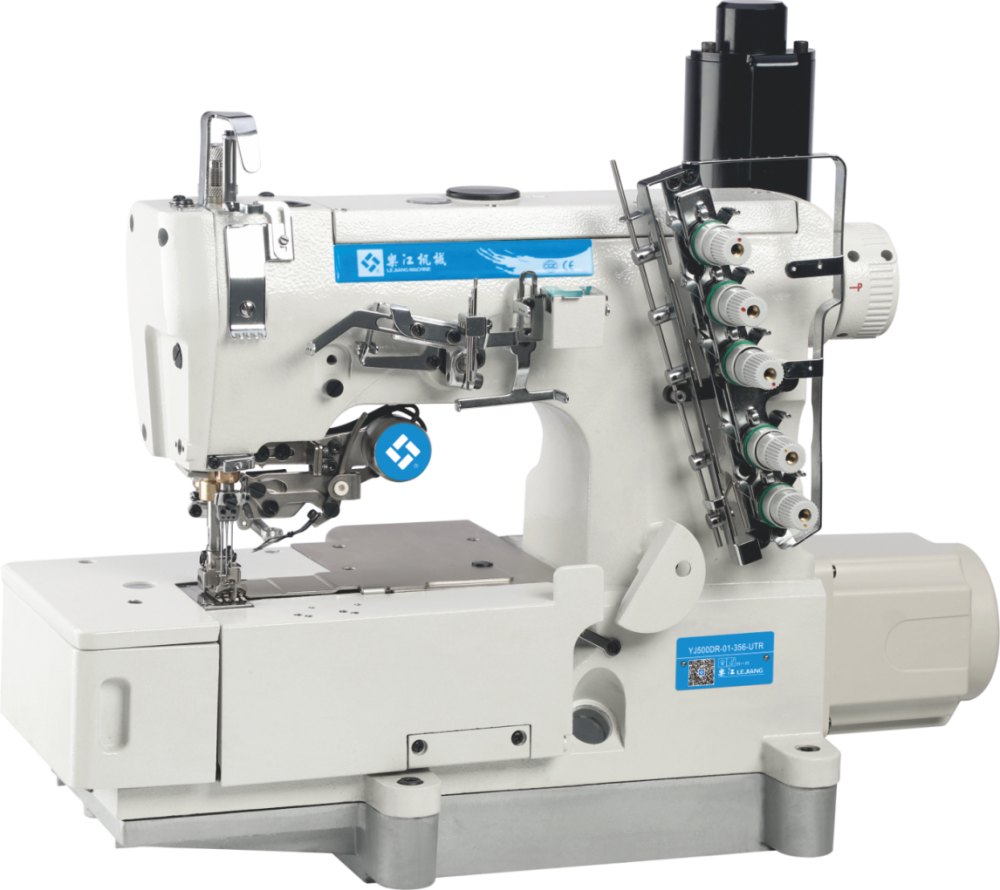
One of the most common applications is T-shirt production. T-shirts are usually made from jersey or other knit fabrics that need flexible seams for daily wear and repeated washing. Interlock sewing machines are often used for bottom hems, sleeve hems, collar stitching, and shoulder reinforcement.
Sportswear is another major application. Garments such as leggings, fitness tops, yoga wear, and training shirts need seams that can stretch during movement without losing strength. An interlock sewing machine helps create comfortable and durable seams that support both function and appearance.
Underwear and intimate apparel also depend heavily on interlock sewing technology. Since these garments are worn close to the skin, seam smoothness and softness are very important. Interlock sewing machines can produce flat and clean seams that improve comfort and reduce irritation.
Children’s clothing is another important area of use. Kids’ garments need to be comfortable, durable, and able to withstand frequent washing and active use. Because many children’s garments are made from knit fabrics, interlock sewing machines are often used for cuffs, waistbands, hems, and decorative stitching.
Other applications include sleepwear, casual knitwear, fashion tops, and light functional textile products. In addition to seam joining, interlock sewing machines can also be used for binding, covering, hemming, and top stitching. This makes them a flexible solution for different sewing operations.
For factories producing multiple categories of knit garments, the wide application range of an interlock sewing machine makes it a valuable investment. It can support different product lines while helping maintain consistent seam quality and production efficiency.
In summary, interlock sewing machines are mainly used for T-shirts, sportswear, underwear, children’s clothing, and other knitwear products. Their ability to create clean, elastic, and comfortable seams makes them essential in modern apparel production.