

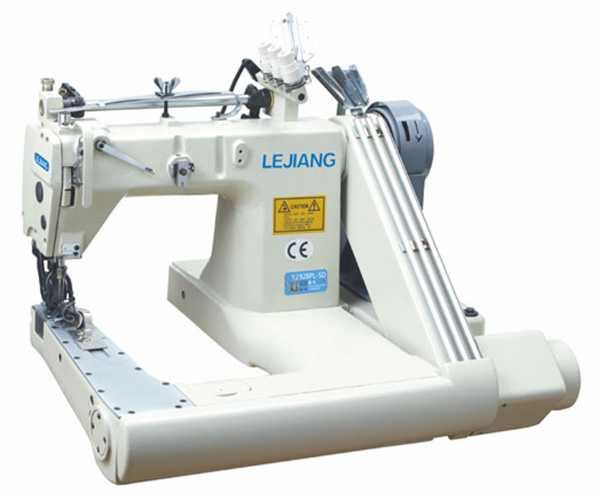
One of the biggest efficiency benefits comes from better fabric handling. Denim is thick, stiff, and often sewn in multiple layers. Areas such as waistbands, hems, side seams, fly sections, and belt loops can be difficult to process with general-purpose equipment. Operators may need to slow down, reposition the fabric, or correct seam distortion, which reduces output. Denim special equipment is designed to handle these challenges more smoothly through stronger feeding systems and more stable sewing performance.
Another major advantage is reduced dependence on operator skill. In many factories, difficult denim operations require experienced workers to maintain seam alignment and stitch quality. Specialized equipment makes these tasks easier by using machine structures and functions designed for specific processes. For example, hemming machines, waistband attaching machines, pocket setter machines, and bartacking machines help operators complete repetitive tasks more accurately and with less manual correction.
Denim special equipment also reduces defects and rework. Common sewing problems in denim production include skipped stitches, uneven seam appearance, thread breakage, puckering, material shifting, and inaccurate positioning. Every defect costs time and labor. When machines are optimized for denim, stitch formation becomes more stable and process control improves, which helps factories increase first-pass yield and reduce repair work.
Cycle time can also be improved with dedicated machines. In jeans production, many operations are repeated on every garment, including attaching pockets, hemming legs, sewing seams, fixing belt loops, and reinforcing stress points. Specialized machines for these tasks often include automatic trimming, preset stitching patterns, and more efficient material guidance. This helps shorten operation time while maintaining consistent quality.
Workflow improvement is another important benefit. A well-organized denim production line uses the right machine for each operation. This reduces bottlenecks, shortens waiting time between stations, and helps balance the line more effectively. When special equipment is matched to process needs, the entire line becomes more productive.
Modern electronic functions add even more value. Many denim machines now include servo motors, digital parameter setting, automatic backtacking, presser foot lift functions, and programmable controls. These features reduce manual steps, improve setup accuracy, and support faster style changes. For factories producing multiple denim styles, this flexibility is a major advantage.
Machine durability also affects efficiency. Denim production places more load on equipment than light-garment manufacturing, so stable long-term performance is essential. Machines designed specifically for denim are usually better able to handle continuous heavy-duty work, helping reduce downtime and maintenance problems.
In conclusion, denim special equipment improves production efficiency by supporting smoother fabric handling, faster cycle times, fewer defects, and better workflow control. For factories that want higher output without sacrificing garment quality, specialized denim machines are an important part of modern manufacturing.